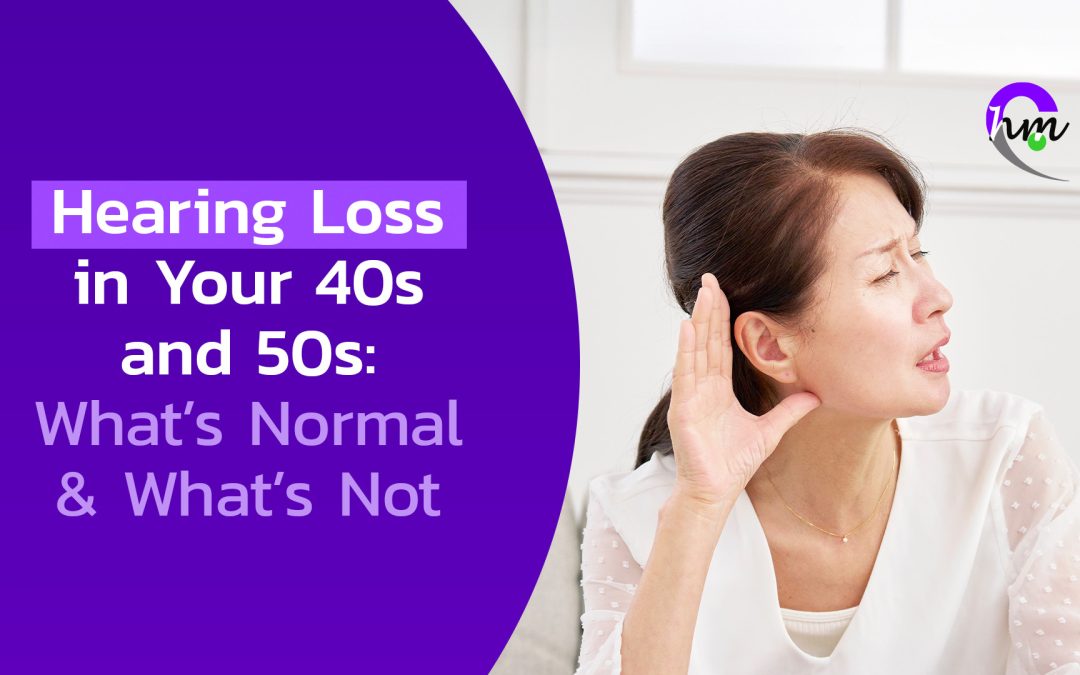
Is it normal to experience hearing loss in your 40s or 50s? Yes, in fact, subtle hearing changes often begin earlier than most people expect. Recognising the early signs of hearing loss is crucial if you want to stay socially connected, mentally sharp, and in control of your long-term hearing health.
In this article, we’ll break down what’s normal, what’s not, and how you can take action early.
Why Hearing Loss Can Begin Sooner Than You Think
Hearing loss is often associated with aging, but it doesn’t just affect people in their 70s and 80s. For many Australians, the early signs of hearing loss start appearing in their 40s or 50s. These changes are usually gradual, which means they can be hard to spot until they begin affecting daily life.
Factors like prolonged noise exposure (at work or through headphones), genetics, and even certain medical conditions can contribute to early-onset hearing decline.
Common Early Signs of Hearing Loss in Midlife
If you’re wondering whether your hearing has started to change, look out for these common indicators:
- You often ask people to repeat themselves
- Voices sound muffled or unclear, especially in group settings
- You struggle to hear in noisy environments like restaurants
- You turn up the TV or radio more than others do
- You feel mentally drained after long conversations
- You hear ringing in your ears (tinnitus)
These are all early signs of hearing loss that can be easy to dismiss as stress, tiredness, or “just getting older.” But ignoring them may lead to bigger issues down the track.
Why Early Detection Matters
Left unchecked, hearing loss can impact more than just your ability to follow conversations. Research shows links between untreated hearing issues and reduced cognitive function, social isolation, anxiety, and even physical balance problems.
If you’d like to understand more about these long-term effects, Johns Hopkins Medicine has published a detailed overview of the hidden risks of hearing loss.
The takeaway? Addressing hearing loss early gives you more options, better outcomes, and a better quality of life.
What Causes Hearing Loss in Your 40s and 50s?
In most cases, hearing loss in midlife is sensorineural, meaning it’s caused by damage to the tiny hair cells in your inner ear. This damage may be due to:
- Long-term noise exposure
- Genetics
- Smoking or cardiovascular health
- Certain medications
- A history of untreated ear infections or other health conditions
You may also experience high-frequency hearing loss, which makes it harder to hear consonants like “s,” “t,” and “f”, often the first clue that something’s changed. Another possibility is hidden hearing loss, where standard hearing tests come back “normal” even though you’re struggling to hear clearly. If that sounds familiar, it’s worth speaking to a qualified audiologist who understands the nuances of midlife hearing changes.
Can Hearing Loss in Your 40s Be Treated?
Yes, and the earlier you address it, the better. For many people, hearing aids are not the immediate answer. Sometimes, all that’s needed is lifestyle adjustment or professional monitoring. But if hearing aids are appropriate, modern devices are discreet, smart, and customisable.
Most importantly, midlife is the ideal time to build a relationship with a hearing care provider so you can stay on top of any changes before they impact your quality of life.
Not Sure? A Free Hearing Evaluation is a Good First Step
If you’ve noticed early signs of hearing loss, you don’t need to wait until it becomes a major issue. At Hearing Matters, we offer a free hearing aid evaluation – a no-obligation consultation to assess your hearing and explore your options. You’ll even be able to take a hearing aid home for free to see how it works in your real-world environment.
It’s the perfect starting point if you’ve been Googling “free hearing test” and want personalised, expert advice without the pressure. We have clinics across South Australia, and our friendly team of qualified audiologists are here to support you at every stage whether you’re ready for hearing aids or just starting to ask questions.
Final Thoughts
Hearing loss in your 40s and 50s is more common than you think, but it doesn’t have to catch you off guard. By recognising the early signs of hearing loss and taking proactive steps, you can protect your hearing, your lifestyle, and your independence for years to come.
Think you might be noticing early signs of hearing loss? Book your free hearing aid evaluation with Hearing Matters today and take control of your hearing health before it starts to affect your quality of life.