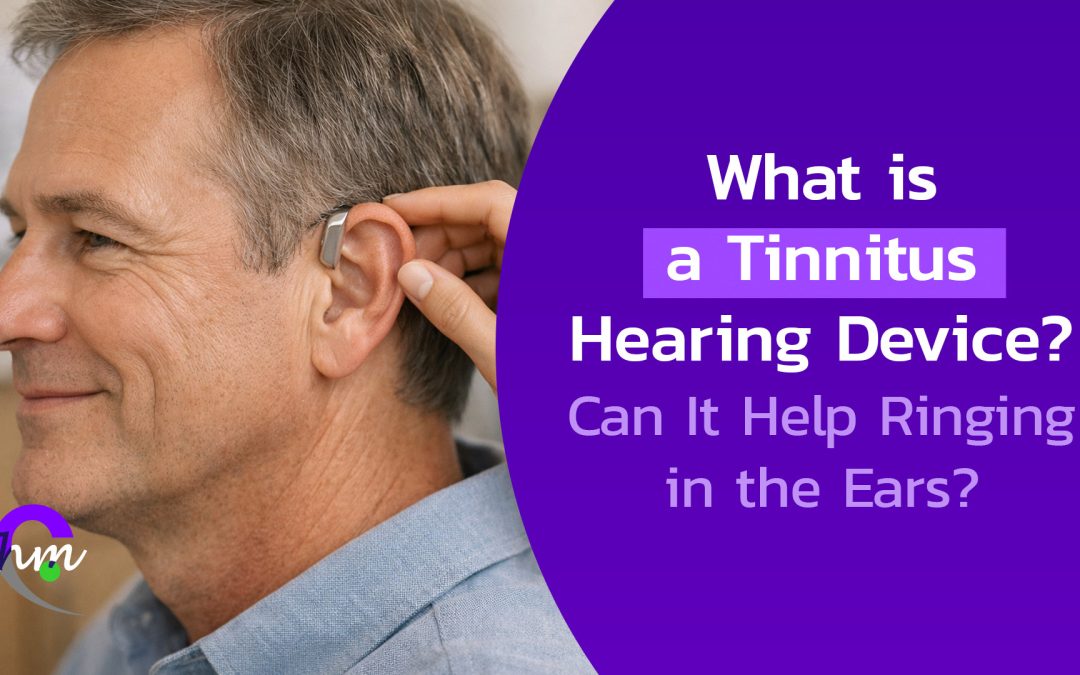
If you experience constant ringing, buzzing, or humming in your ears, you may be wondering: what is a tinnitus hearing device and can it actually help?
A tinnitus hearing device is typically a hearing aid that includes features designed to help manage tinnitus symptoms. By amplifying everyday sounds and sometimes providing gentle masking noise, these devices can make tinnitus less noticeable and improve overall hearing.
Tinnitus affects millions of people worldwide and can range from mildly annoying to significantly disruptive. Understanding what causes tinnitus and how a tinnitus hearing device works can help you explore effective ways to manage the condition.
What Causes Tinnitus?
Tinnitus is often described as ringing in the ears, but people may also hear buzzing, humming, or whistling sounds. The noise may be constant or come and go.
Common causes of tinnitus include:
- Exposure to loud noise
- Age-related hearing loss
- Ear infections or earwax build-up
- Certain medications
- Head or neck injuries
For example, some people experience tinnitus after a concert or other loud events where their ears are exposed to high volumes. While this may fade after a short period, repeated exposure to loud noise can sometimes lead to longer-term tinnitus.
Many people ask “does tinnitus go away?” or “is tinnitus permanent?”. In some cases tinnitus is temporary and improves as the ears recover. In other cases, particularly when hearing loss is involved, tinnitus may persist and require management strategies.
How a Tinnitus Hearing Device Works
A tinnitus hearing device works by helping the brain focus on external sounds rather than the internal ringing associated with tinnitus.
When hearing loss is present, the brain receives less sound input. This can make tinnitus noises seem louder or more noticeable. Hearing devices designed for tinnitus management work by increasing environmental sound levels, which helps reduce the contrast between tinnitus and background noise.
Some hearing aids also include sound therapy features that produce gentle masking sounds. These sounds can help distract the brain from tinnitus and reduce how noticeable it feels throughout the day. For many people, hearing aids for tinnitus can help improve both hearing clarity and comfort when dealing with persistent ringing in the ears.
Hearing Aids and Tinnitus
Research shows a strong connection between hearing aids and tinnitus relief. Because tinnitus often occurs alongside hearing loss, improving hearing can sometimes reduce the perception of ringing.
A hearing aid for tinnitus may help by:
- Amplifying everyday sounds
- Reducing listening strain
- Improving speech clarity
- Helping the brain focus on external noise rather than tinnitus
Some modern hearing aids are specifically designed with tinnitus support features, which is why they are sometimes referred to as a tinnitus hearing device.
Other Approaches to Managing Tinnitus
Managing tinnitus often involves a combination of strategies rather than a single treatment. One approach that some people explore is tinnitus retraining therapy, which combines counselling with sound therapy. The goal is to gradually train the brain to ignore tinnitus signals over time.
Other helpful strategies may include:
- Protecting your ears from loud noise
- Managing stress levels
- Improving sleep habits
- Monitoring caffeine and alcohol intake
Research also suggests tinnitus is not solely an ear problem. It can involve how the brain processes sound signals. Harvard Medical School explores this connection in more detail in their article “New Thinking About Tinnitus”.
When Should You Seek Help for Tinnitus?
Occasional ringing after loud noise exposure is common and may resolve on its own. However, professional advice may be helpful if:
- The ringing lasts for several days or weeks
- Tinnitus is affecting sleep or concentration
- You notice changes in your hearing
- The symptoms are becoming more frequent or intense
Because tinnitus often occurs alongside hearing loss, a hearing loss test can help determine whether hearing changes are contributing to the problem.
Could Hearing Support Help?
If tinnitus is affecting your daily life, exploring hearing support options may be beneficial. Devices that improve hearing clarity can sometimes reduce the prominence of tinnitus sounds.
At Hearing Matters, experienced audiologists can assess your hearing and discuss whether hearing aids with tinnitus support features may help improve both hearing and overall comfort.
Every case of tinnitus is different, which is why personalised advice from a hearing professional is important.
Take the First Step Toward Better Hearing
If you’re experiencing persistent ringing in your ears and wondering whether a tinnitus hearing device or other hearing solutions may help, professional guidance can provide clarity.
Hearing Matters offers free hearing aid evaluations across South Australia. During this appointment, you can discuss your symptoms, learn about hearing aid options, and explore whether hearing support may improve your hearing and comfort.
👉 Book your free hearing aid evaluation today at Hearing Matters. Taking that first step can help you better understand your hearing and explore ways to manage tinnitus more effectively.