What Is Tinnitus
Tinnitus is the experience of hearing sounds that are not coming from an external source. Many people describe it as ringing, buzzing, hissing, whistling or roaring in one or both ears. It is not a condition on its own. It is a symptom of something affecting the auditory system.
What Causes Tinnitus?
Tinnitus can be linked to a range of underlying factors, including:
• Noise exposure from workplace noise, live music or machinery
• Age related hearing loss
• Earwax blockages
• Ear infections
• Stress or anxiety
• Certain medications
• Underlying medical or auditory conditions
In many cases, tinnitus appears alongside hearing loss, which is why a professional hearing assessment is an important first step in understanding its cause.
How Is Tinnitus Managed?
While there is no universal cure, tinnitus can be effectively managed. Treatment depends on the underlying cause and may include:
• Hearing aids with sound therapy features
• Tinnitus retraining therapy
• Relaxation and stress management techniques
• Sound enrichment such as white noise
• Medical treatment if an underlying condition is found
Modern hearing aids can reduce the perceived intensity of tinnitus by improving hearing clarity and providing soothing background sounds.
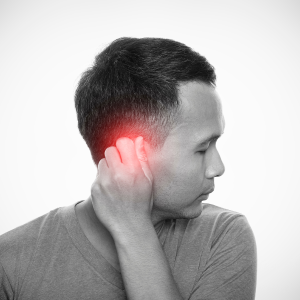
Causes of Tinnitus
Tinnitus is usually related to hearing loss. Most theories suggest that as the cochlear stops sending normal signals to the brain, we become confused and develop our own noise to fill the gap.
The key causes of tinnitus are:
- Loud noise exposure
- Jaw joint misalignment
- Benign intracranial hypertension
- Pregnancy, anaemia and an overactive thyroid
- Stress, fatigue, caffeine, smoking and alcohol can also worsen the symptoms of tinnitus