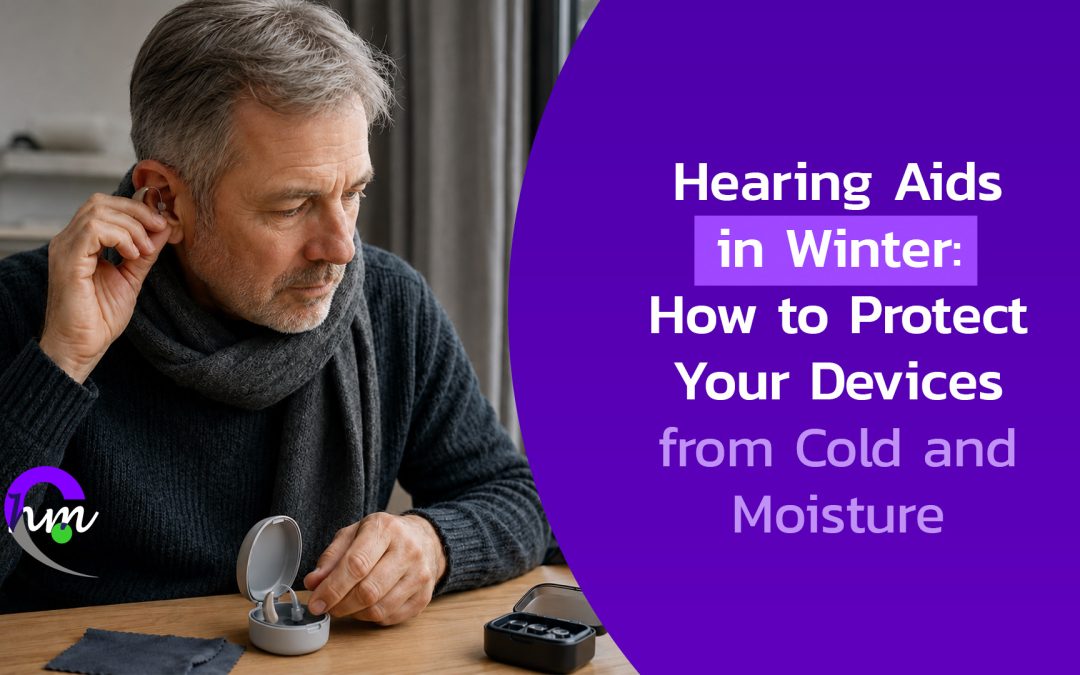
Hearing Aids in Winter: How to Protect Your Devices from Cold and Moisture
We all know winter can affect a lot of things; your skin, your car, your motivation to leave the house in the morning. Your hearing aids are no exception. The cold and moisture are two of the leading causes of damage to your hearing aids.
If you have hearing aids, a simple hearing aid maintenance routine can help protect your investments, keeping your devices performing at their best all year long. So if you have ever noticed your hearing aids cutting in and out during winter, sounding muffled after a rainy walk, or simply not performing as they should do, there could be a moisture problem.
This guide will inform you how to best care for your devices during the winter months and keep them working their best.
Why Winter Is Hard on Hearing Aids
Hearing aids are sophisticated electronic devices worn in one of the most exposed parts of the body. In winter, they face a double challenge: cold, dry outdoor air followed by warm, humid indoor air. Every time you move between environments, condensation can form inside the device and over time, that moisture causes real damage to the internal electronics.
Add to that the wet and windy conditions that come with a South Australian winter rain, morning fog, humid coastal air and it becomes clear why this time of year requires a little extra attention when it comes to hearing aid care.
Cold temperatures alone can also affect battery performance, causing disposable batteries to drain faster than usual and reducing the charge capacity of rechargeable devices.
Hearing Aid Maintenance: The Winter Essentials
Good hearing aid maintenance does not need to be complicated, but it does need to be consistent. These are the habits worth building into your routine during the colder months.
Dry your devices every night. A hearing aid drying kit either an electronic drying box or a simple dehumidifier capsule case should be part of every hearing aid owner’s routine, but it is especially important in winter. Placing your hearing aids in a drying unit overnight removes accumulated moisture before it has a chance to settle into the electronics.
Remove your hearing aids before heading out into heavy rain. If you are going to be caught in a downpour, take them out and store them in their case. Modern hearing aids have improved significantly in their resistance to moisture, but they are not waterproof, and sustained exposure to rain can overwhelm even a well-maintained device.
Keep them warm but not hot. Cold temperatures can affect battery performance, but storing your hearing aids somewhere too warm like directly next to a heater can cause its own problems. Room temperature storage away from direct heat sources is ideal.
Change or charge your batteries more frequently. If you use disposable batteries, carry spares in winter. Cold reduces battery output noticeably, and running a battery flat inside the device can cause leakage that damages internal components.
How to Clean Hearing Aids in Winter
Knowing how to clean hearing aids properly is one of the most valuable things you can do for their longevity, and it becomes even more important when moisture levels are higher. A build up of earwax, debris and moisture creates the conditions for damage and performance issues to compound.
Use the small brush that came with your devices to gently clear the microphone ports and receiver of any debris each day. Wipe the outer casing with a soft, dry cloth — never use water, alcohol wipes or cleaning sprays directly on the device unless they are specifically designed for hearing aids.
If your hearing aids use custom ear moulds, remove the tubing and clean the moulds separately with warm water, making sure they are completely dry before reattaching them. Even a small amount of moisture left in the tubing can muffle sound significantly.
Moisture in Hearing Aids: When to Seek Help
Sometimes, despite your best efforts, moisture gets in. If you notice your hearing aids cutting out, producing static or crackling sounds, sounding quieter than usual, or switching off unexpectedly, moisture in hearing aids is often the first thing to investigate.
Place the devices in your drying kit for a full night before drawing any conclusions. If the problem persists after thorough drying, it is time to have them looked at by a professional. Attempting to open or dry them with a hairdryer or other heat source can cause further damage.
Hearing Aids Adelaide: Expert Care and Servicing
Regular servicing by an audiologist is a key part of hearing aid maintenance that many people overlook. Beyond your own daily care routine, having your devices professionally cleaned, checked and adjusted at least once a year keeps them in optimal condition and catches any developing issues early.
For hearing aids in Adelaide and across regional South Australia, the team at Hearing Matters provides ongoing care and support for all makes and models of hearing aids. Whether you need a routine service, a repair assessment, or advice on upgrading to a device better suited to your lifestyle, their independent audiologists are here to help.
Keep Your Hearing Aids and Your Hearing in Peak Condition
A little consistent care goes a long way. Good hearing aid maintenance through the winter months protects your devices, extends their lifespan, and ensures you never miss a conversation because of a preventable issue.
Contact Hearing Matters today to book a service appointment or speak with one of our audiologists about keeping your devices in top shape. Find your nearest clinic across Adelaide and regional South Australia.