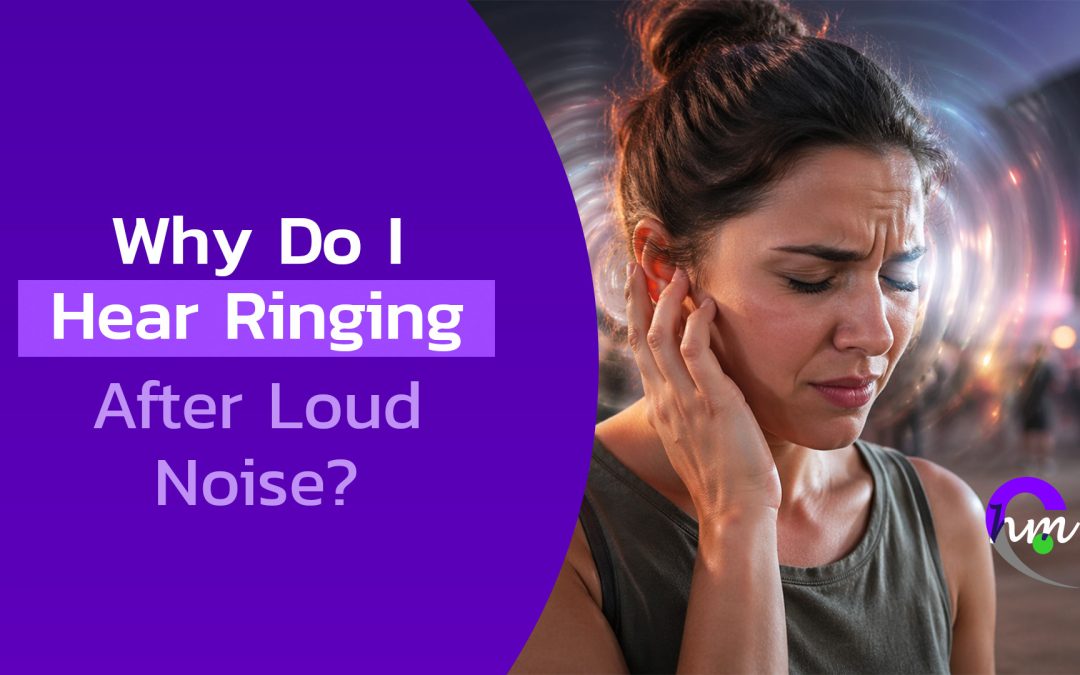
If you notice ringing in your ears after a concert, loud workplace, or using headphones, you might be wondering: why does this happen and how can hearing protection help?
Ringing after loud noise, often called temporary tinnitus, occurs when the delicate structures in your inner ear become overstimulated. While it may fade, repeated exposure without proper hearing protection can lead to long-term damage and permanent hearing issues. Understanding why this happens is key to protecting your hearing in the future.
What Causes Ringing After Loud Noise?
Ringing in the ears after loud noise is your body’s way of signalling that your hearing has been stressed. Inside your inner ear are tiny hair cells that respond to sound vibrations. When exposed to loud noise:
- These cells can become overstimulated
- They may temporarily stop functioning properly
- This disruption can create the sensation of ringing
In many cases, the ringing fades within hours or days. However, repeated exposure without hearing protection can cause permanent damage to these cells.
Why Hearing Protection Is Essential After Loud Noise Exposure
Hearing protection plays a critical role in reducing the risk of both temporary and permanent hearing damage.
Loud environments such as:
- Concerts
- Sporting events
- Construction sites
- Nightclubs
…can expose your ears to sound levels that are high enough to cause damage in a short amount of time.
Using hearing protection such as earplugs or noise-reducing earmuffs can:
- Lower the intensity of sound
- Reduce strain on your ears
- Help prevent long-term damage
Exposure to loud noise, even for short periods, can damage your hearing and lead to symptoms like ringing in the ears. The Australian Government provides guidance on safe listening levels and how to protect your hearing here: ‘Protecting Your Hearing’.
When Is Ringing a Sign of Something More Serious?
Occasional ringing after loud noise may not be cause for concern. However, it can become more serious if:
- The ringing lasts longer than a few days
- It happens frequently after noise exposure
- You notice changes in your hearing
- Sounds seem muffled or unclear
These may be early signs of high frequency hearing loss, where important speech sounds become harder to hear. In some cases, repeated exposure to loud environments can also contribute to industrial hearing loss, particularly in workplaces where noise levels are consistently high.
How Hearing Loss Develops Over Time
One of the challenges with hearing damage is that it often develops gradually. Many people don’t notice the early signs. This is where hidden hearing loss can occur. You may still hear sounds, but clarity is reduced, and your brain has to work harder to process speech.
Over time, this can lead to:
- Difficulty understanding conversations
- Increased listening effort
- Ongoing ringing or tinnitus
Without proper hearing protection, these changes can become more noticeable and harder to manage.
How to Protect Your Hearing in Everyday Life
Protecting your hearing doesn’t mean avoiding noise altogether, it means being aware and taking simple steps to reduce risk.
Here are some practical ways to use hearing protection in daily life:
- Wear earplugs at concerts or loud events
- Keep headphone volume at a safe level
- Take breaks from noisy environments
- Use protective equipment in loud workplaces
- Be mindful of long-term exposure to noise
These small actions can make a significant difference in preserving your hearing over time.
When Should You Get a Hearing Test?
If you frequently experience ringing after loud noise, it may be time to consider a hearing loss test. You should consider getting your hearing checked if:
- Ringing occurs regularly
- You notice changes in speech clarity
- Conversations feel more difficult
- Sounds seem muffled
A hearing assessment can help identify whether early hearing changes are present and guide you toward the right support.
How Hearing Matters Can Help
At Hearing Matters, experienced audiologists can assess your hearing and help you understand whether noise exposure may be affecting your hearing health.
A professional assessment can:
- Detect early signs of hearing loss
- Identify frequency-specific changes
- Provide personalised advice on protecting your hearing
If needed, they can also guide you through suitable options to support your hearing moving forward. Hearing Matters also offers free hearing aid evaluations with the chance to take home a hearing aid for free and test it yourself if you get diagnosed with hearing loss.
Take the First Step Toward Protecting Your Hearing
If you’ve experienced ringing ears after loud noises, it’s worth taking it seriously. Your hearing is something that can change gradually, and early action can make a meaningful difference.
Hearing Matters offers free hearing aid evaluations across South Australia, giving you the opportunity to better understand your hearing and explore your options in a supportive, no-pressure environment.
👉 Book your hearing assessment today at Hearing Matters. Taking this step can help you protect your hearing and stay confident in everyday situations.