Dealing with a Blocked Ear? Causes, Symptoms, and Professional Solutions
A blocked ear is more than just a nuisance; it can affect your balance, your hearing clarity, and your overall quality of life. Whether it feels like you are underwater or you are experiencing a sharp fullness, understanding the cause is the first step toward relief.
At Hearing Matters, we specialize in identifying the root cause of ear blockages and providing safe, clinical solutions to restore your hearing health.
Why Does My Ear Feel Blocked?
There are several reasons why you might be experiencing that muffled sensation. Identifying the symptoms can help determine the best course of action.
Earwax Buildup (Cerumen Impaction) The most common culprit. While earwax is natural and protective, an overproduction or the use of cotton buds (which often push wax deeper) can lead to a solid plug that blocks the ear canal.
Eustachian Tube Dysfunction (ETD) If you have recently had a cold, allergies, or a flight, the tubes connecting your middle ear to your throat may become inflamed. This prevents pressure from equalizing, leading to a popping sensation or persistent fullness.
Fluid Behind the Ear Often following an infection, fluid can become trapped behind the eardrum. This is common in children but can affect adults, leading to temporary hearing loss.
Swimmers Ear (Otitis Externa) Water trapped in the outer ear canal after swimming can cause inflammation or infection, making the ear feel swollen and blocked.
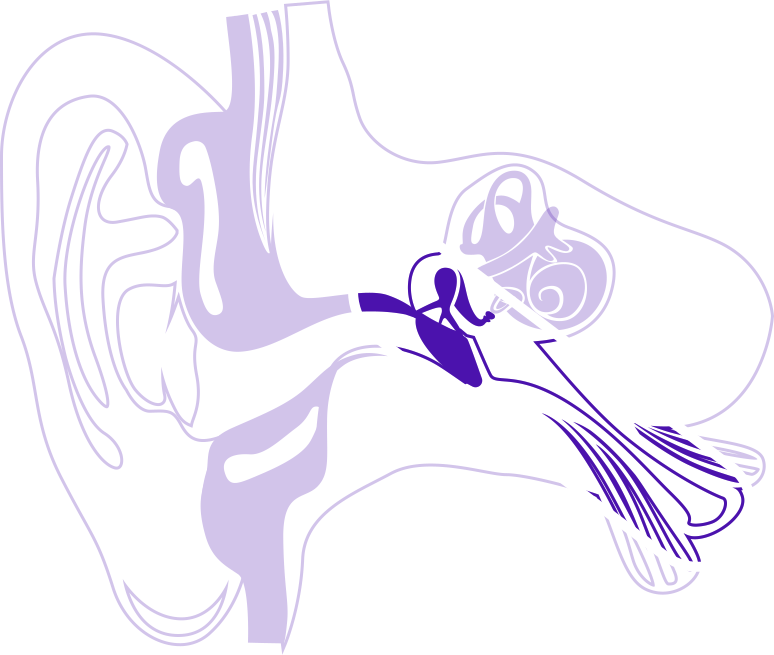
Common Symptoms of a Blocked Ear
If you are experiencing any of the following, it is likely time to seek a professional ear health check:
Muffled hearing or a slight decrease in volume.
A feeling of fullness or pressure inside the ear.
Tinnitus (ringing or buzzing sounds).
Dizziness or a mild sense of vertigo.
Earache or physical discomfort.